

What is an emergency?
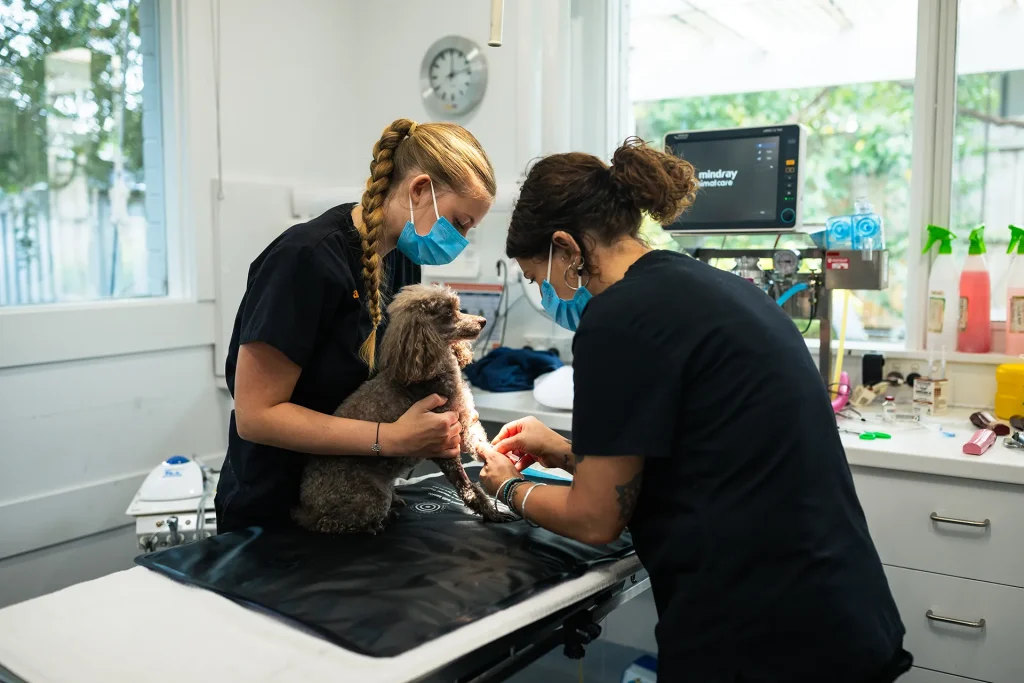
A pet emergency is any sudden illness, injury, or complication that poses an immediate threat to your animal’s life or long-term health. Because pets often instinctively hide pain, any drastic change in their normal behavior should be treated seriously. If you are unsure, please call the clinic to discuss with one of our experienced team members.
Definite Pet Emergencies (Seek Care Immediately)
- Breathing Issues: Laboured, noisy, or rapid breathing; gasping for air; or a bluish/purple tint to the gums or tongue.
- Severe Trauma: Being hit by a car, falling from a height, or being involved in an animal attack—even if they appear fine externally.
- Loss of Consciousness: Fainting, sudden collapse, or an inability to stand or walk.
- Seizures: Any seizure lasting more than 3–5 minutes or multiple seizures occurring within a 24-hour period.
- Uncontrolled Bleeding: Haemorrhage that does not stop with direct pressure within five minutes.
- Suspected Poisoning: Ingestion of toxic foods (chocolate, grapes, xylitol), household chemicals, or medications.
- Abdominal Issues: A swollen or hard abdomen, especially if accompanied by unproductive retching (dry heaving), which can indicate life-threatening “bloat” (GDV) in dogs.
- Toileting Problems: Inability to urinate or straining to go, which is a critical emergency particularly for male cats.
- Heatstroke: Excessive panting, drooling, or high body temperature after exposure to heat.
Emergency vs. Urgent Care
| Situation | Level of Urgency | Action |
|---|---|---|
Emergency | Life-threatening (e.g., choking, poisoning, major trauma) | Go to a 24/7 emergency hospital immediately. |
Urgent Care | Serious but not fatal (e.g., minor cuts, ear infections, mild limping) | Visit your regular vet for a same-day appointment. |
Wait & See | Minor (e.g., single vomit episode in an otherwise bright pet) | Monitor at home and call for advice if it worsens. |
What to Do in a Crisis
- Stay Calm: Animals pick up on your stress, which can worsen their condition.
- Call the clinic Ahead: Alerting us allows us to prepare for your arrival and, if needed, give you immediate first-aid instructions over the phone. Sometimes we may direct you to go straight to an emergency center.
- Transport Safely: Use a flat board or blanket as a stretcher for large animals, or a carrier/box for smaller ones, to minimize movement.
- Avoid Self-Medicating: Never give your pet human painkillers or medications unless explicitly directed by a vet, as many are toxic.
If you suspect your pet has eaten something toxic, you can also call the Animal Poisons Helpline at 1300 869 738 (AU).
After Hours Emergency Care
Outside of our normal business hours, we recommend contacting a dedicated After-Hours Veterinary Emergency Hospital.

There are significant advantages to using a specialist emergency centre:
- Their operating hours typically run overnight meaning their veterinarians and nurses work exclusively during these hours and are fresh, alert, and focused on emergency and critical care cases.
- Their teams have advanced training and experience in emergency medicine and intensive care.
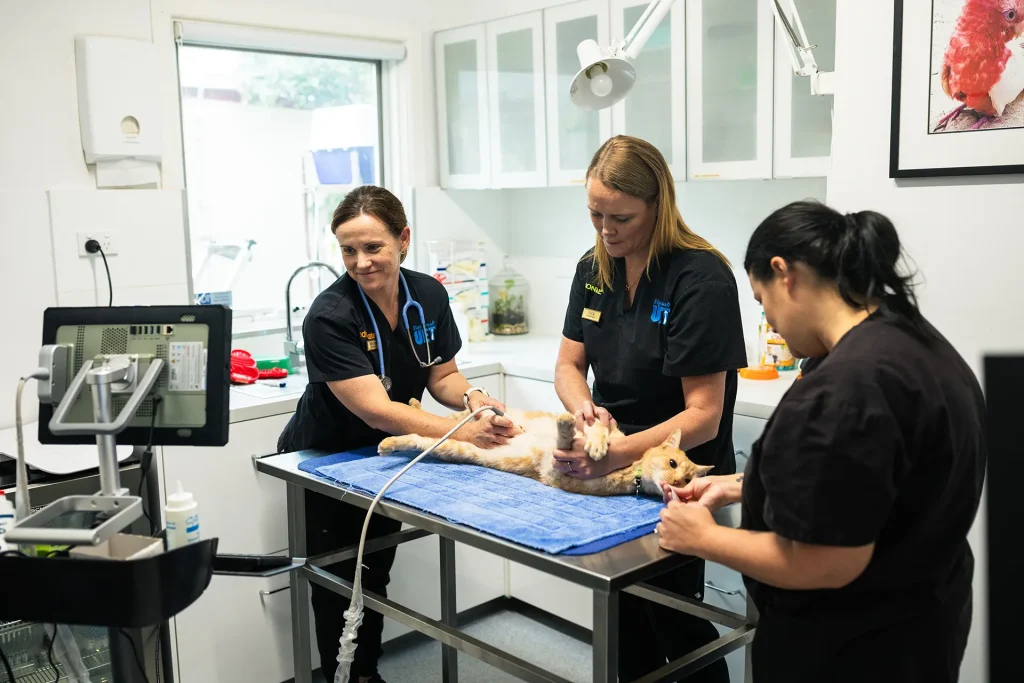
- They are fully equipped to provide continuous monitoring, hospitalisation, and life-saving treatment throughout the night.

If your pet is stable and ready for discharge, they can return to Elgar Road Veterinary Hospital the next business day for ongoing care. A full medical history and treatment summary will be forwarded to us to ensure seamless continuity of care and complete medical records.
Emergency Clinics
Centre for Animal Referral and Emergency (CARE)
03 9417 6417
Website
5 Hood Street, Collingwood 3066
Animal Emergency Centre Mount Waverley
1300 232 838
Website
37 Blackburn Road, Mount Waverley, 3149
Animal Emergency Service Hawthorn East
(03) 9000 6868
Website
395 Tooronga Rd, Hawthorn East VIC 3123
Advanced Vetcare Kew
(03) 9020 3555
Website
2/6 Chandler Hwy, Kew VIC 3101
Bundoora Veterinary Hospital
03 9467 2255
Website
17/19 Plenty Road,
Bundoora 3083
Melbourne Animal Specialist Hospital (MASH)
1800 838 787
Website
8 Maroondah Hwy,
Ringwood 3134
Ready Vet Go
0421 095 838
Website
Melbourne’s Pet Ambulance & Mobile Vet Urgent Care
Chocolate and Plant Toxicities
Chocolate Toxicity
Chocolate contains theobromine and caffeine, both of which are stimulants that can over-activate a pet’s central nervous system and heart.
The Danger Level: Generally, the darker and more bitter the chocolate, the more toxic it is. Baker’s chocolate and cocoa powder are the most dangerous, followed by dark, milk, and finally white chocolate.
Key Symptoms: Watch for hyperactivity, vomiting, diarrhoea, an increased heart rate, tremors, or seizures.
Tool: Use this Chocolate Toxicity Calculator from the MSD Veterinary Manual to estimate risk based on your pet’s weight and the type of chocolate eaten.
Plant Toxicity
Many common household and garden plants can cause everything from mild stomach upset to fatal organ failure. High-Risk Examples:
- Lilies: Highly toxic to cats; even small amounts of pollen or vase water can cause kidney failure.
- Sago Palms: Extremely dangerous; ingesting the seeds can lead to liver failure and death.
- Oleander: Can cause life-threatening heart arrhythmias.
- Autumn Crocus: May lead to multi-organ failure and abnormal bleeding.
Database: Check the ASPCA Toxic and Non-Toxic Plant List for a comprehensive searchable guide for dogs, cats, and horses.
If you suspect your pet has ingested a toxin, please call us immediately or call the Animal Poisons Helpline at 1300 869 738.