
Senior Cat Health
Monitoring Your Senior Cat’s Health
The following is some information on what to look for when assessing your cat’s health.

Eating and drinking habits

Weight changes

Urinating and defecating

Temperament
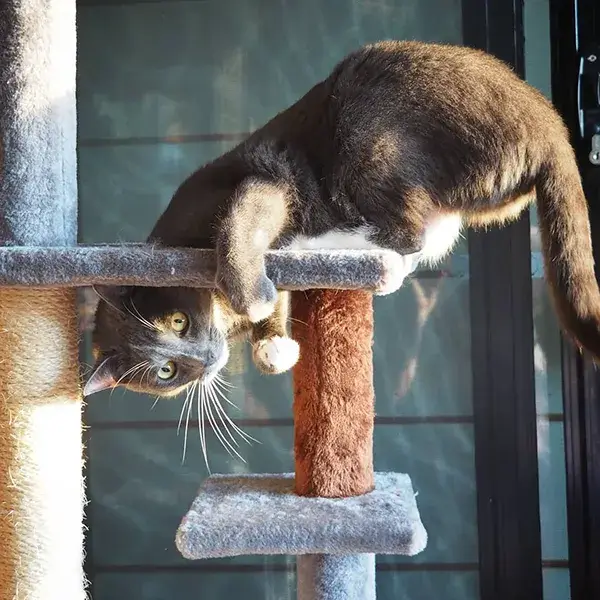
Activity levels and interaction

The Importance of Senior Health Checks

Veterinary Care for your Senior Cat
Dental disease
In addition to the diseases mentioned above, we commonly see dental disease in senior pets. It can be hard to examine a cat’s mouth during a veterinary consultation, but checking their teeth is an important part of a health check. It is important to let your veterinarian know if there are any signs at home that may suggest dental disease, such as your cat going off their food, being less interested in dry food, dry food falling from their mouth while eating and bad breath. Cats can get plaque and tartar on their teeth just like we can, and if left untreated can lead to painful changes in your cat’s mouth. If required, our vets may recommend a dental scale and polish under anaesthetic.

This is where your cat stays the day at the clinic to have a general anaesthetic so we can properly assess your cat’s teeth, clean any tartar that is on the teeth (and under the gum line), remove any diseased teeth and even perform dental X-rays. Sometimes we do need to remove teeth that are damaged, as if left in the mouth these cause pain and further disease. We find that cats manage well once teeth have been removed as they are much more comfortable without sore teeth. Once your cat has had their teeth cleaned and any necessary extractions, there are ways that you can help to keep them clean at home. These range from the gold standard of brushing your cat’s teeth to dental diets (we recommend Royal Canin Dental and Hills t/d) and food additives such as Plaque Off.

Osteoarthritis
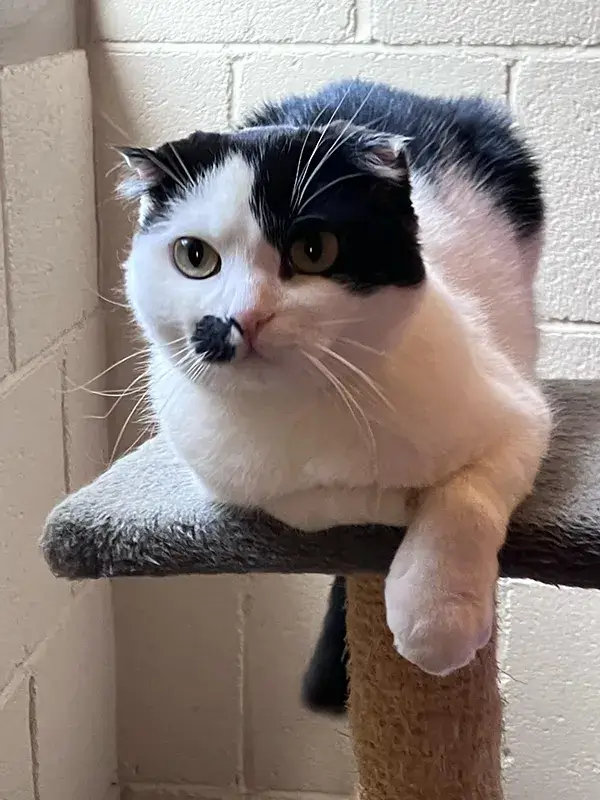
The other condition that is often present in senior pets is osteoarthritis – in fact studies have shown that 90% of cats over 12 years old have signs of osteoarthritis on X-rays. (see below for xrays comparing an affected and unaffected cat) It is a slow progressive disease of one or more of the joints, resulting in changes in the joint and the development of clinical signs. Cats hide illness very well, so signs of osteoarthritis such as becoming unwilling to jump up onto high surfaces and reduced activity, often get put down to old age. Cats don’t usually limp with osteoarthritis, as it often affects both sides of the body. Other signs are listed below.
- Sleeping in different places that are easier to access
- Difficulty using a cat door
- Stiff, particularly after rising
- Litter tray accidents, often urinating or defecating just outside the tray or missing the tray, due to reluctance to climb into high sided trays and difficulty crouching to urinate or defecate
- Decreased grooming, resulting in a matted, scurfy coat
- Reduced interaction and reduced enjoyment of patting
- Playing and going outside less frequently
- Overgrown claws due to decreased activity
Treatment for osteoarthritis
Newer option for arthritis
Supplements for arthritis
We find that the best therapy for arthritis in cats is multi-modal – meaning that there are many different components to it. Using a combination of prescription medication, supplements and environmental changes give your cat the best chance to live a comfortable and pain free life.

Caring for your Senior Cat at home
There is a lot that you can do at home to make life more comfortable for your cat, regardless of any diagnoses that your cat may have.
- Provide soft bedding in quiet, draft free areas. Thermal beds (that heat up with your cat’s own body heat) provide comfort, as do wheat bags and electric beds (these should only be used under close supervision though). As cats age, they can lose muscle mass, which makes them more susceptible to feeling the cold.
- Provide “steps” up to higher sites, ie. the couch, cat door, your bed, window seat etc.
- Tie up the cat door into an open position, saving your cat from pushing through it
- Always have at least one litter tray inside. Use a low sided tray, or make one at home by cutting the side out (make sure there are no sharp edges)
- Use softer litter types for sore feet; soil/sand type consistency is best
Make sure food and water are accessible, preferably at floor level. If kept higher up, ensure that there are steps for easy access. If a multi-level house, ensure that food, water and litter are available on all levels to prevent your cat from having to go up and down. Consider raising the food bowl for your cat to prevent him from having to bend down to eat (see the difference in posture in below photos, in particular the curve of the spine and the weight being placed on the forelegs when eating from ground level)
- Arthritic cats may need an extra hand with grooming, in particular cleaning eyes and around their bottom. If their bottom is left dirty, then this can lead to urinary tract infections. Longhair cats will need regular brushing – be gentle on those joints!
- Claws need to be cut regularly – please call us if you would like a nurse to do this for you.
