
Animal & Pet Desexing near Mitcham
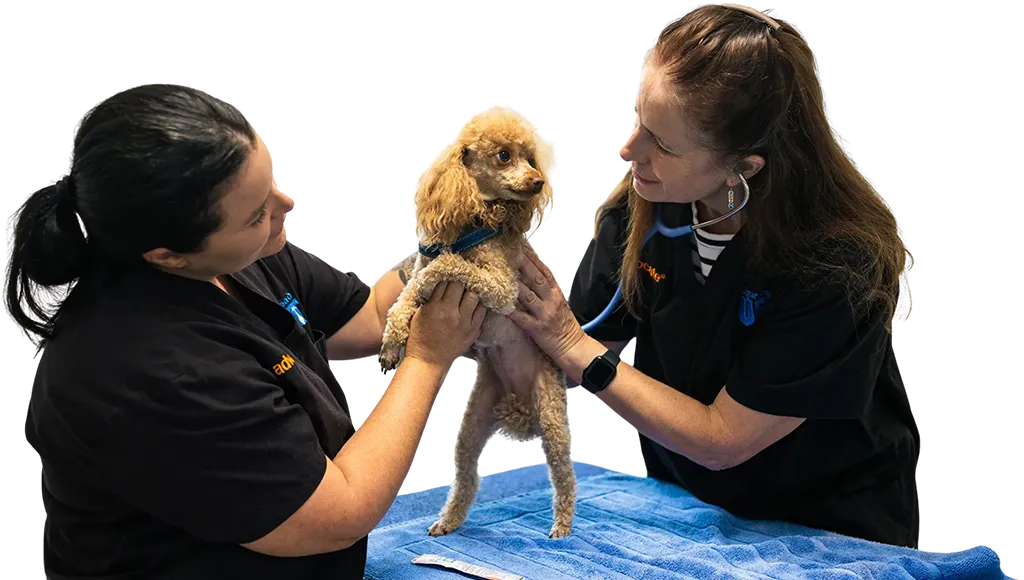
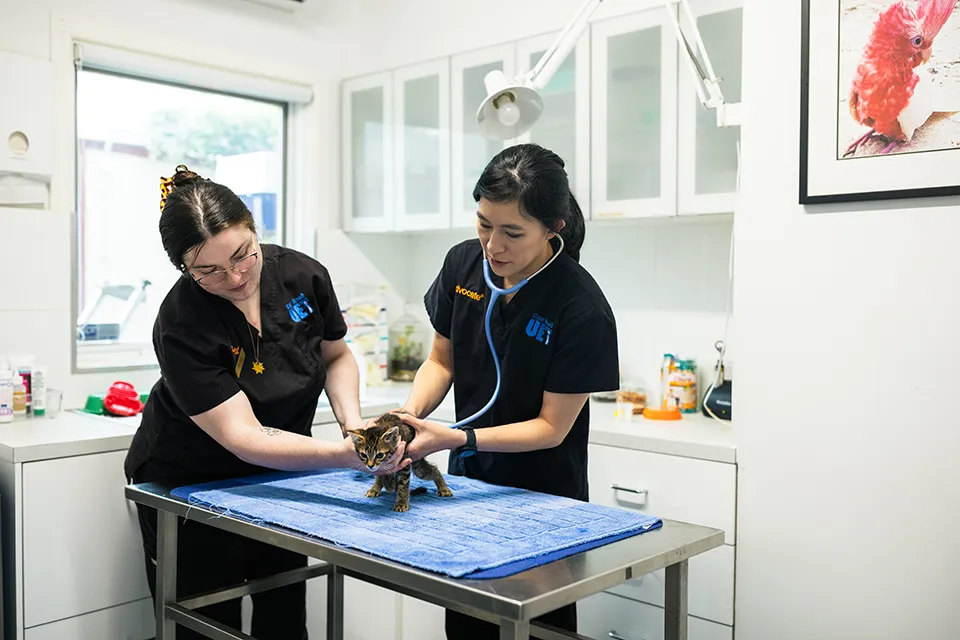
Preventative Desexing Care for Pets
Elgar Road Vet proudly offers professional and experienced pet desexing services for dogs, cats, and rabbits to the local Box Hill and surrounding communities, including Balwyn, Blackburn, Burwood, Burwood East, Doncaster & Doncaster East.
What age should I desex my pet?
New Desexing Guidelines for Dogs
Advantages of Desexing Dogs and Cats
- A decreased risk in female dogs of mammary tumours and cancer if prior to their first cycle.
- No unwanted “in heat” cycles where your bitch (female dog) or queen (female cat) may attract unwanted males to your house and no calling by the queen.
- No unwanted kittens or puppies.
- No cancers from the sex organs or sex hormone related tumours of the anus (male dogs)
- No chance of life threatening infections of the womb (pyometra) or prostatic enlargement or infections in male dogs.
- No chance of life threatening infections of the womb (pyometra) or prostatic enlargement or infections in male dogs.
- Decreased risk of urine marking and spraying especially in male cats.
- Decreased antisocial behaviour and aggression.
- Less risk of your pet trying to escape to mate and therefore go missing or being injured or killed on the road. These risks are significant especially for male cats.
- Less risk of your pet trying to escape to mate and therefore go missing or being injured or killed on the road. These risks are significant especially for male cats.
- Decreased risk of fighting with other animals of the same sex and species, again, especially male cats.
- Desexed pets are more likely to live longer and have healthier lives.
- Reduced council fees.
Behaviour Considerations
There is no definitive evidence that desexing alone improves behaviour. Desexing may help reduce testosterone-driven behaviours (e.g., territorial aggression, urine marking).
Disadvantages of Early Desexing
- Joint Issues in Large Breeds: Early desexing before skeletal maturity may increase the risk of joint problems (e.g., cruciate ligament disease, elbow dysplasia, hip dysplasia) in breeds such as German Shepherds and Labradors.
- Higher Rates of Obesity: Desexed dogs tend to gain weight more easily.
- Slightly Increased Risk of Some Cancers: In certain breeds (e.g., Boxers), early desexing may increase susceptibility to specific cancers.
- Urinary Incontinence in Females: Early desexing can raise the risk of incontinence in some female dogs (breed-specific variations apply).
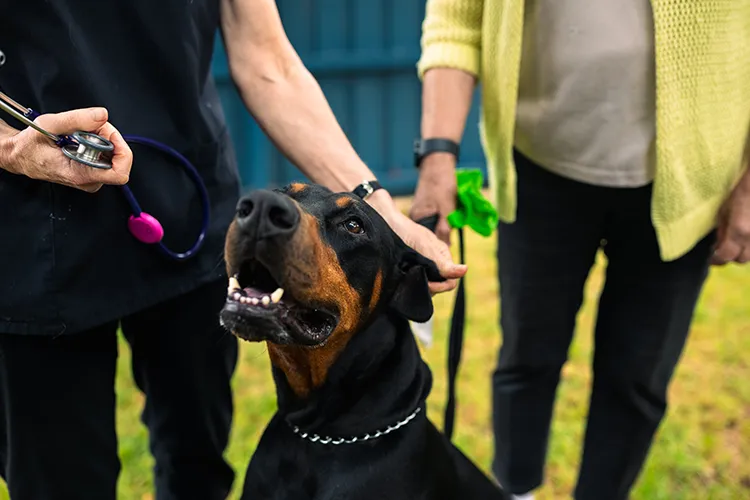
Chemical Castration Implant (Deslorelin)
Chemical Castration is also now available as an alternative to surgical castration.
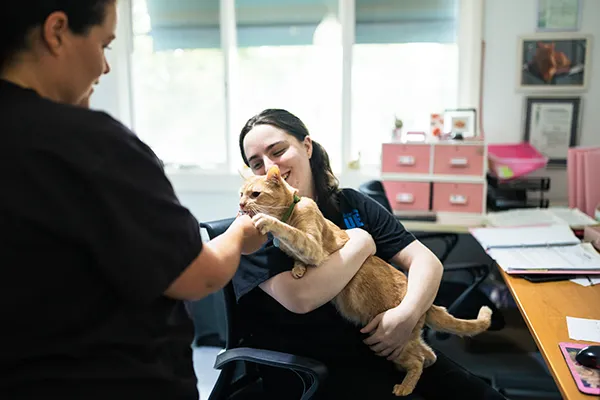
Our surgical protocols include:
How it works
A small implant (similar to a microchip) is placed under the skin, slowly releasing a hormone that blocks testosterone production.
Effects
Reduces testosterone, leading to infertility and decreased libido, with effects lasting 6 or 12 months depending on the implant strength.
Benefits
Reversible, no surgery or anesthesia needed, good for trialling effects, or for dogs with health issues making surgery risky.
Considerations
Fertility returns as it wears off; requires repeat implants for continuous effect; minor swelling at the site although uncommon, can be seen.
Common questions about desexing we are asked include:
Will my pet’s personality change?
Can I spay my pet while it is on heat?
Will my pet gain weight?
Will it decrease aggression in my male dog?
Should my female pet have have a litter?
Having a litter doesn’t change your dog or cat’s personality or make them happier. In Australia we still euthanise unwanted kittens and puppies so we don’t want new little lives to come into this world unless they are wanted and can be cared for. Early desexing also decreases the risk of mammary tumours in bitches.
When can I make a booking?
What about desexing of pet rabbits?
You can find specific information on the desexing of pet rabbits here.
What to do before the surgery?
Please wash your dog before the day of the surgery if they are dirty. Clean skin reduces the risk of post operative infection and after surgery your dog cannot be washed again until stitches are removed.
Give your pet their evening meal the night before surgery then make sure they have no further access to food after 10 PM. Your pet should have free access to water at all times.
We usually make a time for your pet to be dropped off to the clinic between 8 and 9 on the morning of the surgery unless pre-arranged with the staff.
What to do after the surgery?
Please keep your pet warm and out of the weather the evening after the anaesthetic.
Give your pet only a small meal (half serve) for dinner. Water should be available at all times.
Please restrict your pet’s exercise for approximately 10 days as this reduces the risk of wound breakdown and swelling.
Your pet must not lick or chew at the stitches or surgery site. Your pet may need to wear an Elizabeth collar. There are also pet suits available to prevent access to the wound. We also have a product that has a bitter taste designed to discourage licking.
Where the IV catheter is placed, there will be a small bandage. This can be removed 1 – 2 hours after your pet has gone home.
Please finish all medication as directed.
Check your pet’s wound twice a day. It should look clean and dry, with very little redness and swelling. Please contact the clinic if it is excessively swollen, red or any discharge.